
$13.2 million expected locally in response to the opioid crisis
By Nick J. Buckley / For Black Squirrel News
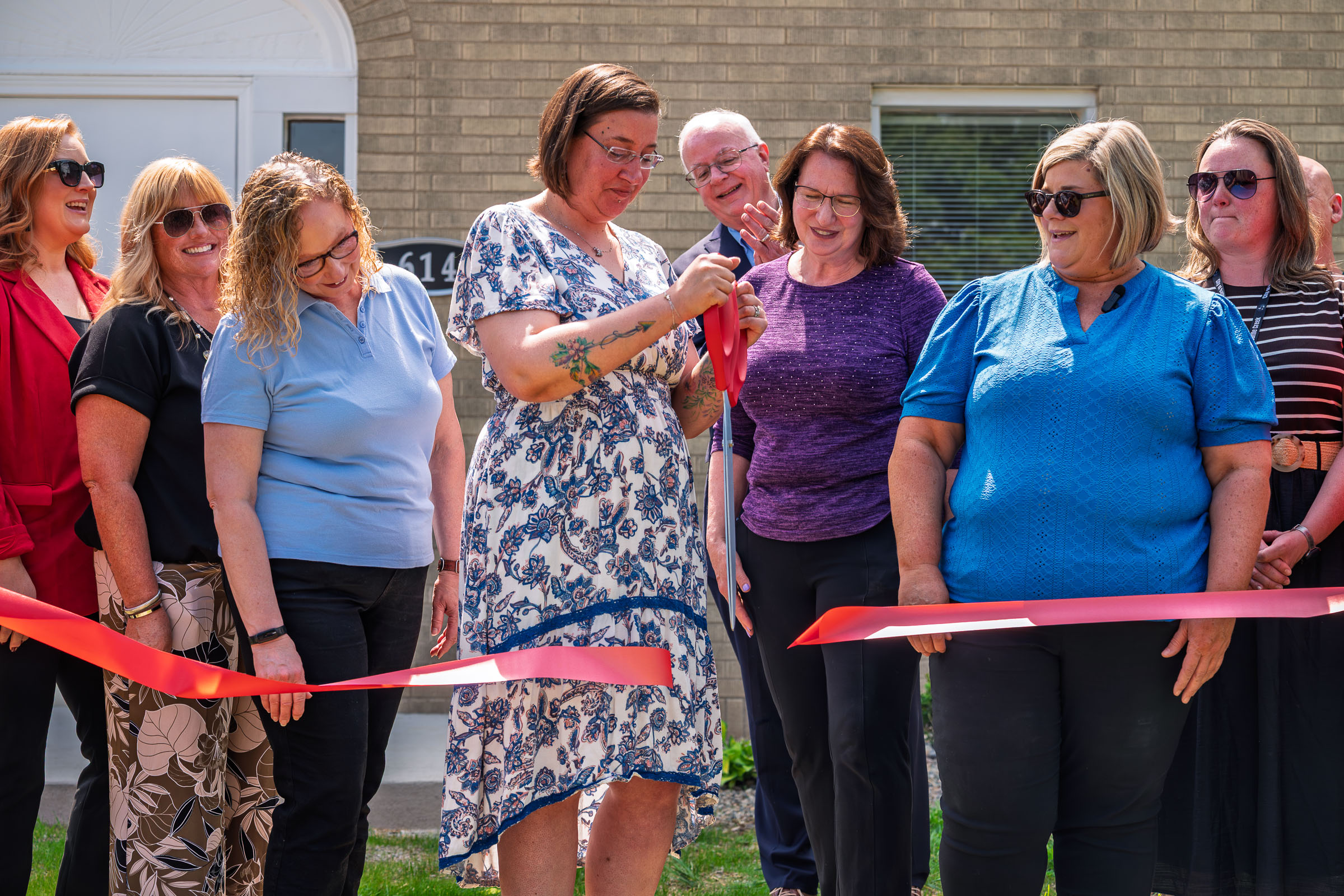
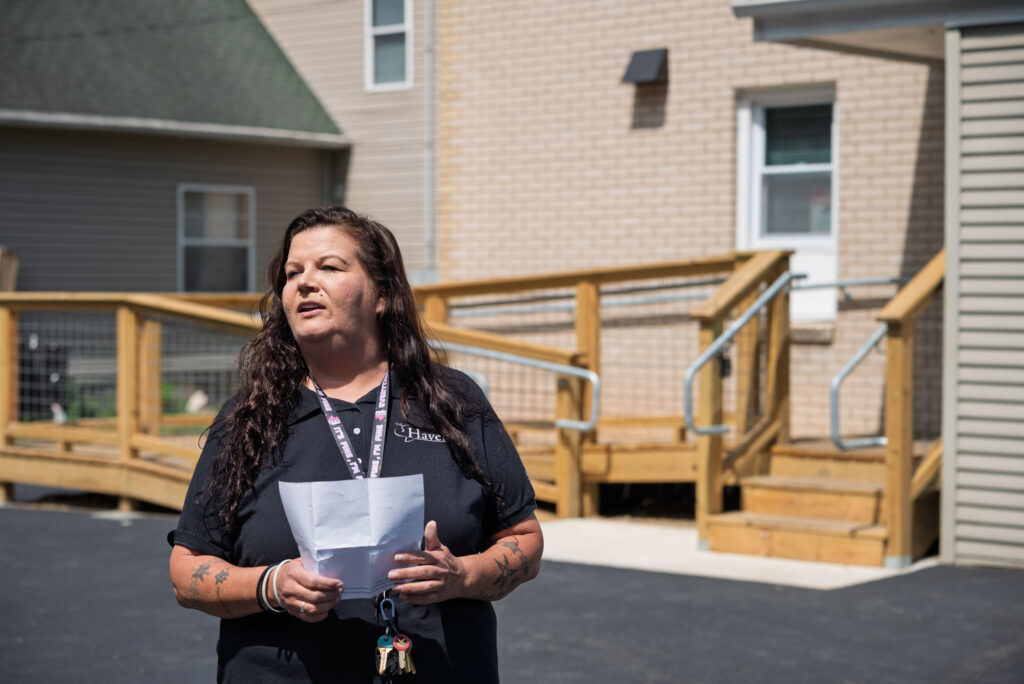
BATTLE CREEK — City leaders, community partners and neighbors gathered in the back parking lot of 614 Capital Ave. NE on May 27 to mark the opening of five apartments for people in recovery.
Some incoming residents shared their experiences with substance use disorder, including the importance of a stable place to live.
“You have no idea how life-changing it is for me,” one incoming resident said at the ribbon cutting.

Battle Creek used $328,266.47 in opioid settlement funds toward the $862,000 renovation of the former osteopathic hospital.
The project is one example of how millions of dollars from national opioid settlements are beginning to show up across Calhoun County, supporting housing, treatment, prevention, harm reduction and recovery.
How much money is Calhoun County receiving?
The money comes from national settlements with opioid manufacturers, distributors and pharmacies, including Johnson & Johnson, McKesson, Cardinal Health, CVS, Walgreens and Walmart.
In 2023, more than 81% of Calhoun County’s 37 accidental drug-related deaths involved opioids, according to the county’s 2024-25 opioid settlement impact report.
The impact extends beyond overdose deaths. Calhoun County is spending about $400,000 a year on medication-assisted treatment in its jail, while opioid-related needs also draw resources from specialty courts, law enforcement and public health.
Michigan splits its share between the state and eligible local governments. Battle Creek receives its own settlement payments, separate from the approximately $13.2 million Calhoun County government expects to receive over 18 years.
Calhoun County had spent about $4.1 million of its opioid settlement funds through June 2026.
The money is legally restricted to addressing substance use through treatment, prevention, harm reduction and recovery. It is not taxpayer money and does not go into the county’s general fund.
How is the money being used?
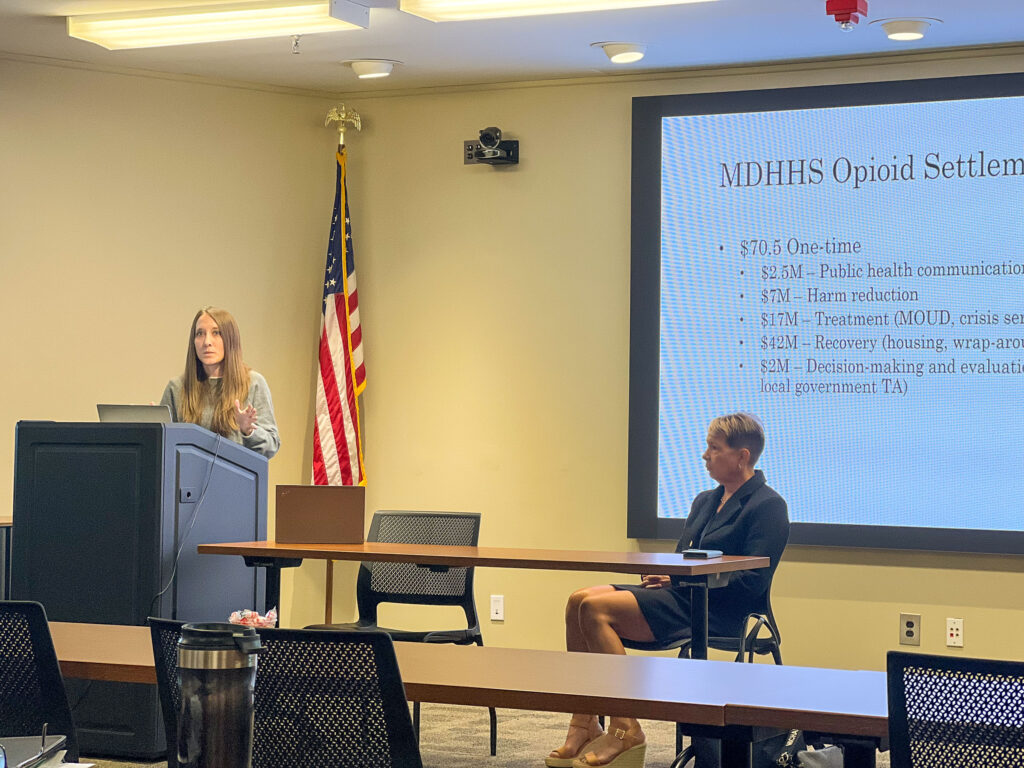
Calhoun County government formed an Opioid Settlement Fund Steering Committee to identify local needs and recommend how the money should be spent.
Some money supports county programs, including specialty courts and the Public Health Department’s syringe services program. Other money goes to community organizations through grants.
County Administrator/Controller Kelli Scott said the process has also helped providers identify gaps and work together.
“It’s been an amazing journey over the last couple years to be able to take what some might think is a relatively small amount of money each year, and just multiply it through the increased collaboration,” Scott said.
Current grants support recovery, homelessness services, treatment and youth prevention. Among them:
- The Alano Club of Battle Creek used settlement funding to expand peer-led recovery programs.
- Substance Abuse Prevention Services expanded prevention and harm-reduction efforts centered in Albion and serving Homer, Marshall and surrounding townships.
- Bronson Battle Creek used funding to educate health care providers on responsible opioid prescribing and medication for addiction treatment across Calhoun County.
Turning settlement dollars into housing
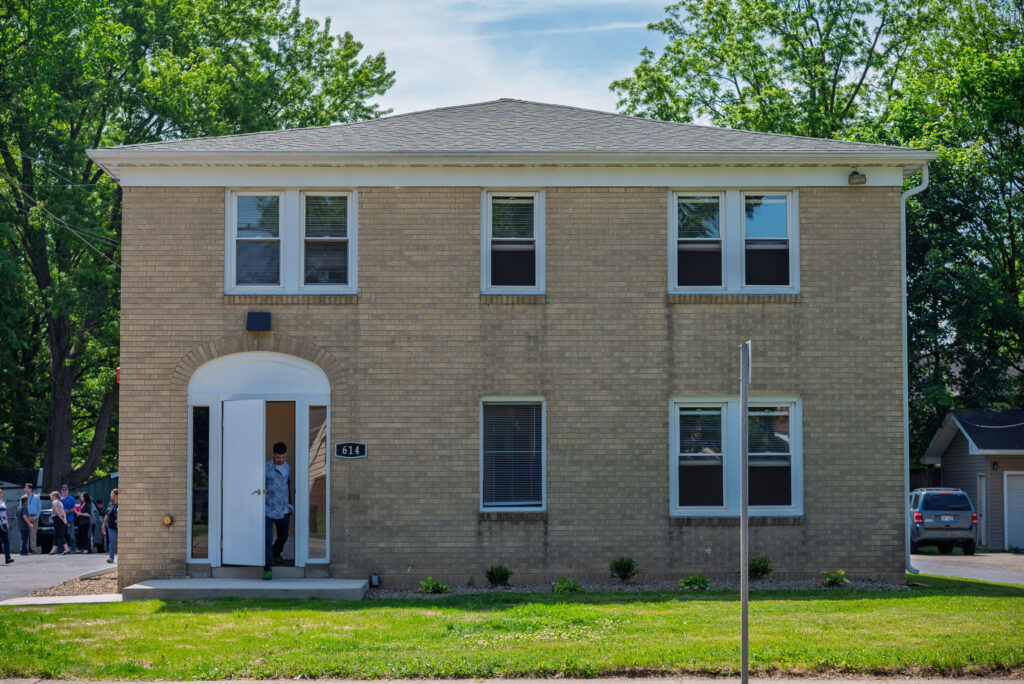
The settlement money helped close a funding gap after an earlier redevelopment of the Capital Avenue property stalled.
Battle Creek had federal Community Development Block Grant funding for the project but not enough to complete it.
“We didn’t have enough federal dollars,” Community Development Supervisor Helen Guzzo said at the ribbon cutting. “We used Community Development Block Grant dollars, [and] the city committed opioid settlement dollars.”
Recovery Services Unlimited operates the five apartments, where residents can receive recovery coaching, case management and other support.
Building programs that can last
Settlement dollars are also helping recovery programs tap into other funding.
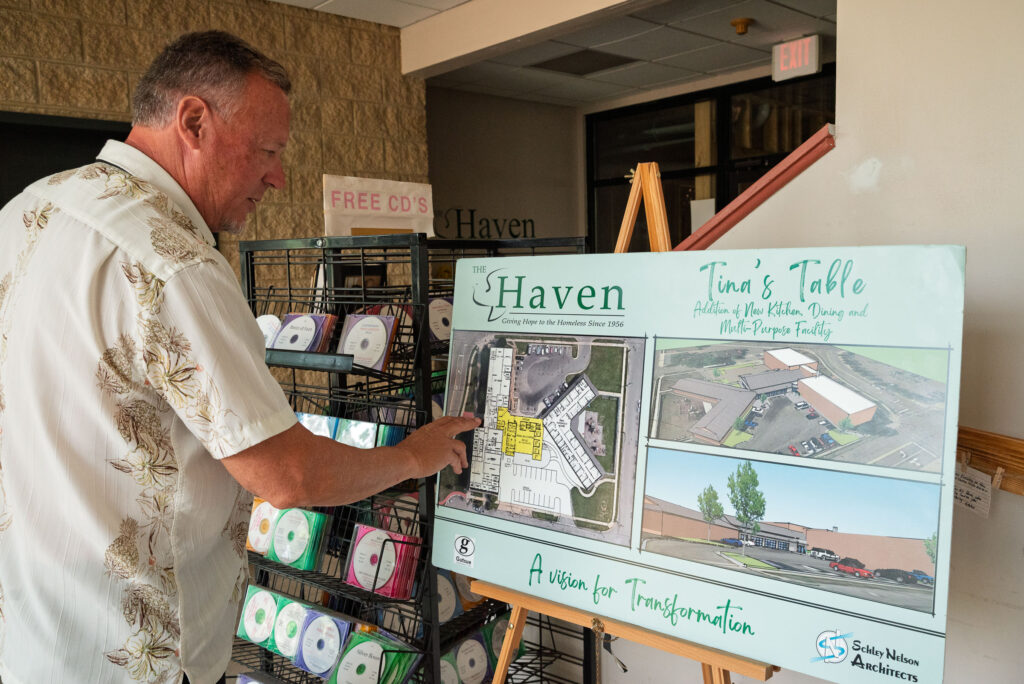
Haven of Rest Ministries received two $150,000 awards from Calhoun County for its men’s and women’s Life Recovery programs, which together cost more than $1 million annually.
Executive Director Daniel Jones said the money helped support a two-year effort to earn accreditation and become credentialed to bill Medicaid. That allows The Haven to seek Medicaid reimbursement for eligible services.
Accreditation also makes The Haven eligible to pursue larger grants.
At the county’s Aug. 6 steering committee meeting, Jones said the investment is beginning to free Haven resources for other work.
“Suddenly the Haven is able to do a whole lot more with the half a million dollars we used to shovel into these Life Recovery programs,” Jones said. “We can spend it on our shelters. We can spend it on street outreach, and we can spend it on some really neat things.”
What’s next?
Staffing and housing were among the challenges reported during the Aug. 6 steering committee meeting, including difficulty hiring and training workers and finding stable housing for people in recovery. Scott said more permanent and transitional housing could be among the county’s next steps.
The county also established a $200,000 Emerging Needs Fund this year for needs that arise outside its regular grant cycle.
At the May ribbon cutting, Tracy Bales said she has been sober for four years, completed the Women’s Life Recovery Program, returned to school and now works in the recovery field.
“I’m not sharing my story because it’s easy. I’m sharing it because programs like sober living, transitional housing matter,” Bales said. “Recovery doesn’t happen alone. People need safety, support, and a chance to rebuild.”
Learn more
Calhoun County publishes its spending plans, grant awards, impact reports and steering committee materials on its opioid settlement funds webpage.
How we reported this: This report is based on Calhoun County opioid settlement records, attendance at the Aug. 6 opioid settlement steering committee meeting and the May 27 recovery housing ribbon cutting, and interviews with county, city and recovery service leaders.
Support Black Squirrel News
Black Squirrel News is building a free local news, information and storytelling resource for Calhoun County. Subscribe and consider supporting our work to help keep it accessible to everyone.

Leave a Reply
You must be logged in to post a comment.